

Selection from the Antun Motika Collection, Pula
Disabled access provided

His birthplace—his grandfather’s house and his father’s winery at 42 Giovia Street in Pula—served, among other things, as the seed for Antun Motika’s interest in the fine arts. The courtyards of these adjacent houses, with their small orchards—where he would observe life while lying prone on the grass, from a "frog’s-eye" perspective—not only fascinated him but ignited his imagination to such an extent that he felt compelled to capture these subjects using pencil or paint on paper, or simply by modeling them in clay. From his seemingly clumsy, small fingers emerged images that certainly not every child could produce; Antun painted, drew, and sculpted with ease.
Next came Žminj, then a return to Pula, followed by Pazin (where he attended *gimnazija*, or secondary school). It was during this time that Antun’s talent was recognized by Saša Šantel—a Slovenian painter, graphic artist, and musicologist—who served not only as his freehand drawing teacher but also as a mentor, guiding him toward the Academy of Fine Arts in Zagreb. Before this, he spent time in Rijeka (attending *gimnazija* in Sušak), once again under the tutelage of Saša Šantel.
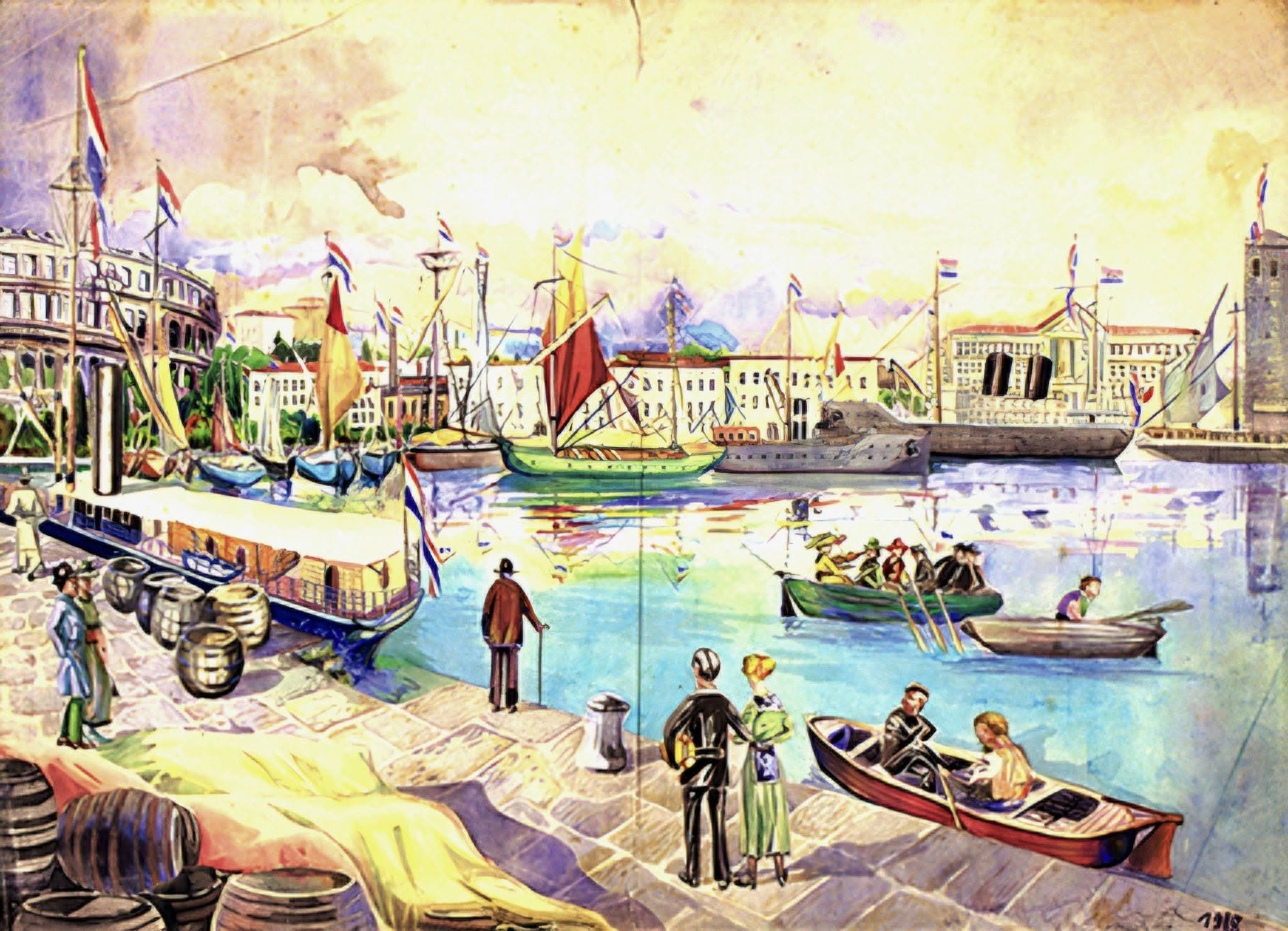
Several works—paintings and drawings—from this pre-academy period (his primary and secondary school years) have been preserved. Today, they hold documentary value and form part of a donation by Dr. Dušan Motika, the late painter’s nephew. Unfortunately, the small clay figurines were lost during the family’s move from Pazin to Rijeka.
Antun Motika also demonstrated an aptitude for sculpture. He began his studies under Professor Rudolf Valdec, but in his second year, he shifted his focus to painting.
The donated works, which hold documentary significance, serve as vital links in understanding the artistic development of Antun Motika. They facilitate the analysis of his more mature works—specifically by shedding light on his inclination toward modeling, experimentation, and the exploration of light effects, both in painting and sculpture.
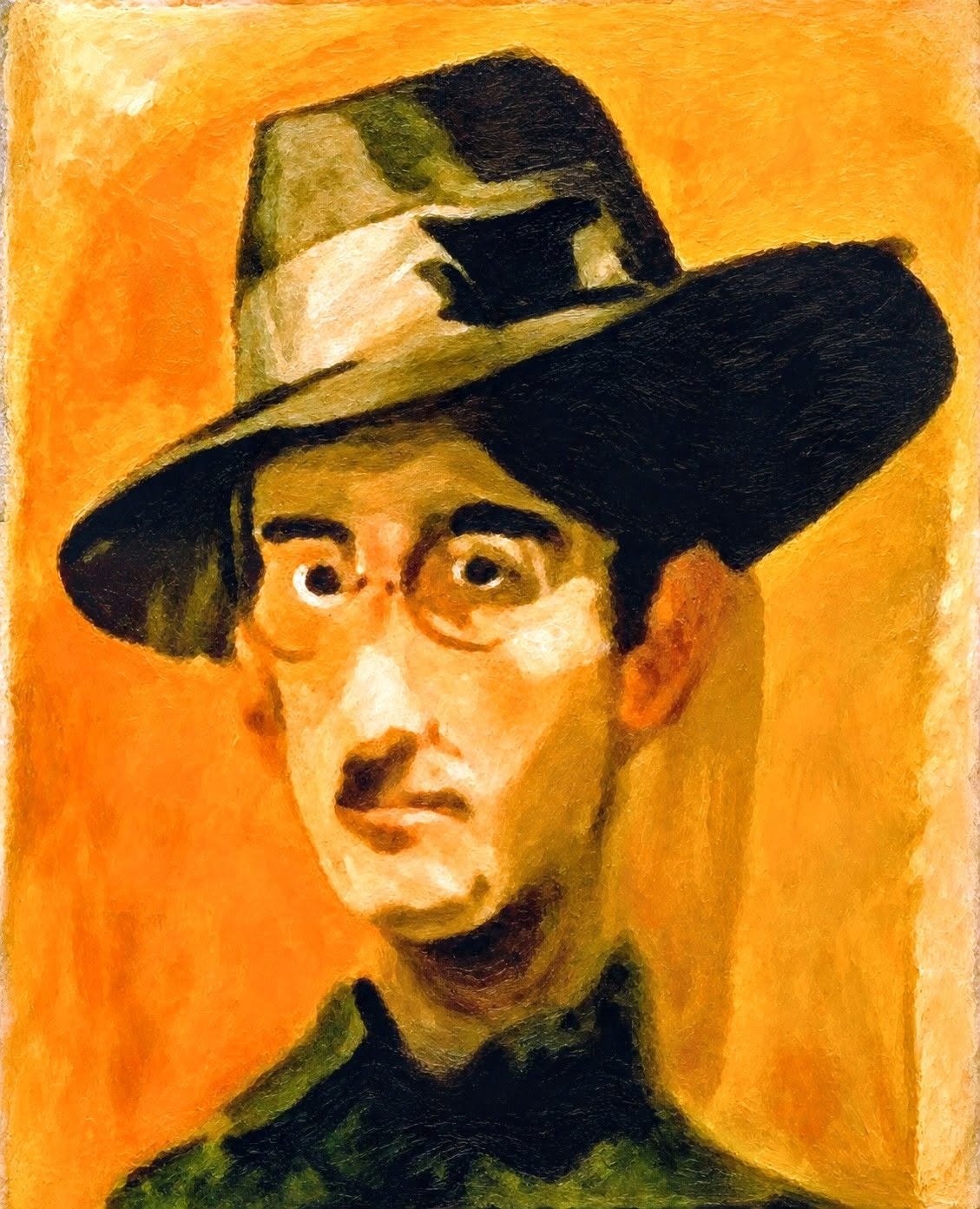
His watercolors, gouaches, and tempera paintings—along with a smaller number of oil paintings—created between 1929, 1940, and beyond, place Antun alongside European post-Impressionist "intimists." This is especially true of the paintings produced following his stays in Paris (in 1931 and 1935). Several works from this period are included in the donation; they are all characterized by a sense of airiness, an abundance of light, simple motifs, a highly restrained color palette, and a certain nostalgic atmosphere.
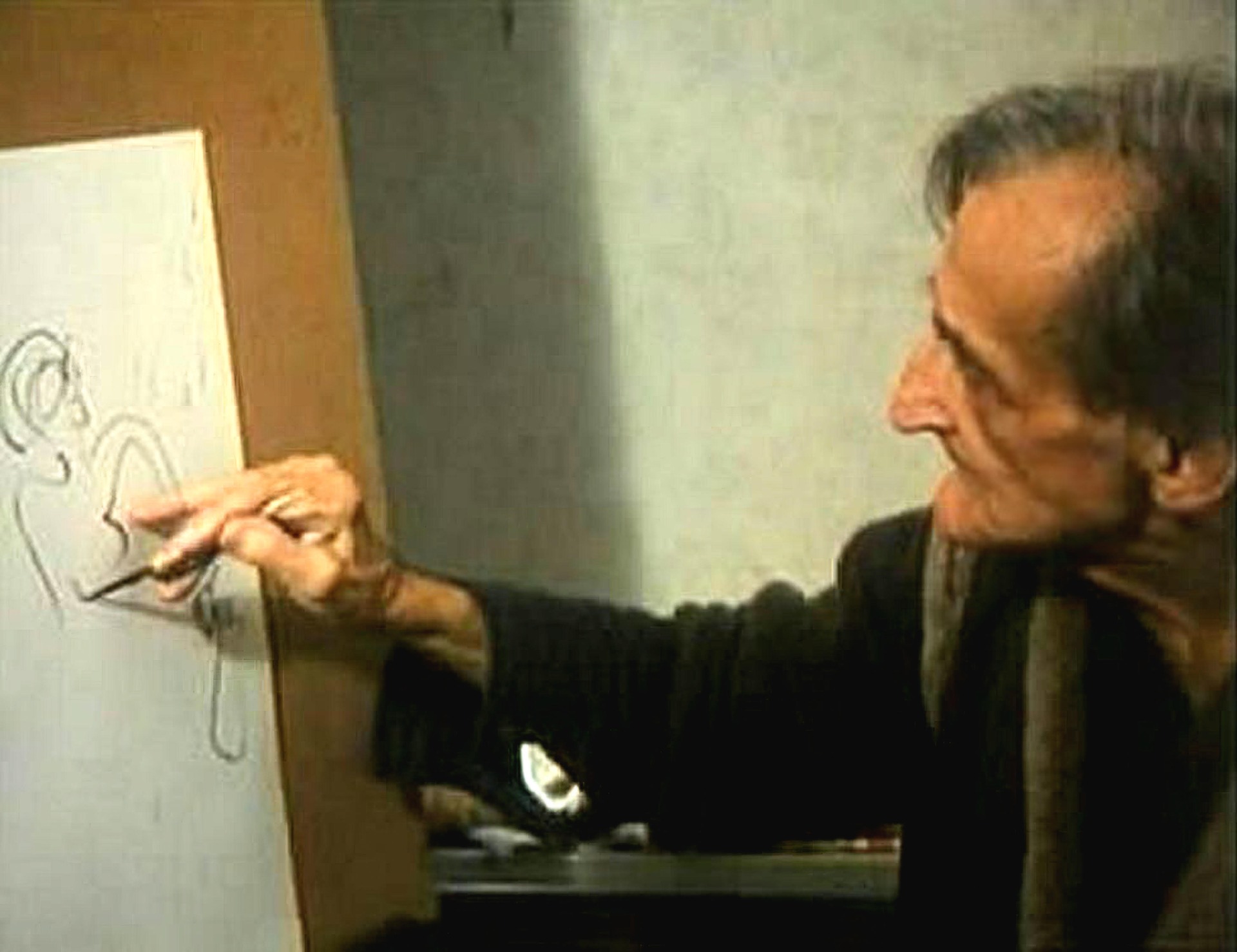
The large-format drawings—numbering 1,550 in total, including sketches—reveal Motika to have been an exceptionally modern, perhaps even "pre-modern," artist for his time. The majority consist of sketches and preparatory studies for sculptures executed in glass and ceramic. With the opening of a permanent exhibition and the Antun Motika Gallery—spanning several hundred square meters—these drawings and sketches will prove to be a true discovery for the general public, while also serving as a venue for art educators to conduct practical workshops with school and university students. In one place, one can witness the full scope of academic drawing—ranging from the reduction of firm lines and the simplification of motifs to subtle, understated suggestions of form that remain palpable even where the line has vanished. During his periods of experimentation, his drawings evolve into purely abstract forms. The donation further includes four sculptures (two in glass and two in terracotta), five large and ten small bronze medals, twenty works on aluminum foil, and fifty painterly experiments.
Also of exceptional value are twenty acquired albums: 13 containing small-format drawings, 4 featuring photo-collages, one consisting of photographic experiments, and 2 illustrated stories (*Red Beard* and *Journey to the Moon*), which were created at the Pazin Gymnasium.
