

Fubar Archive
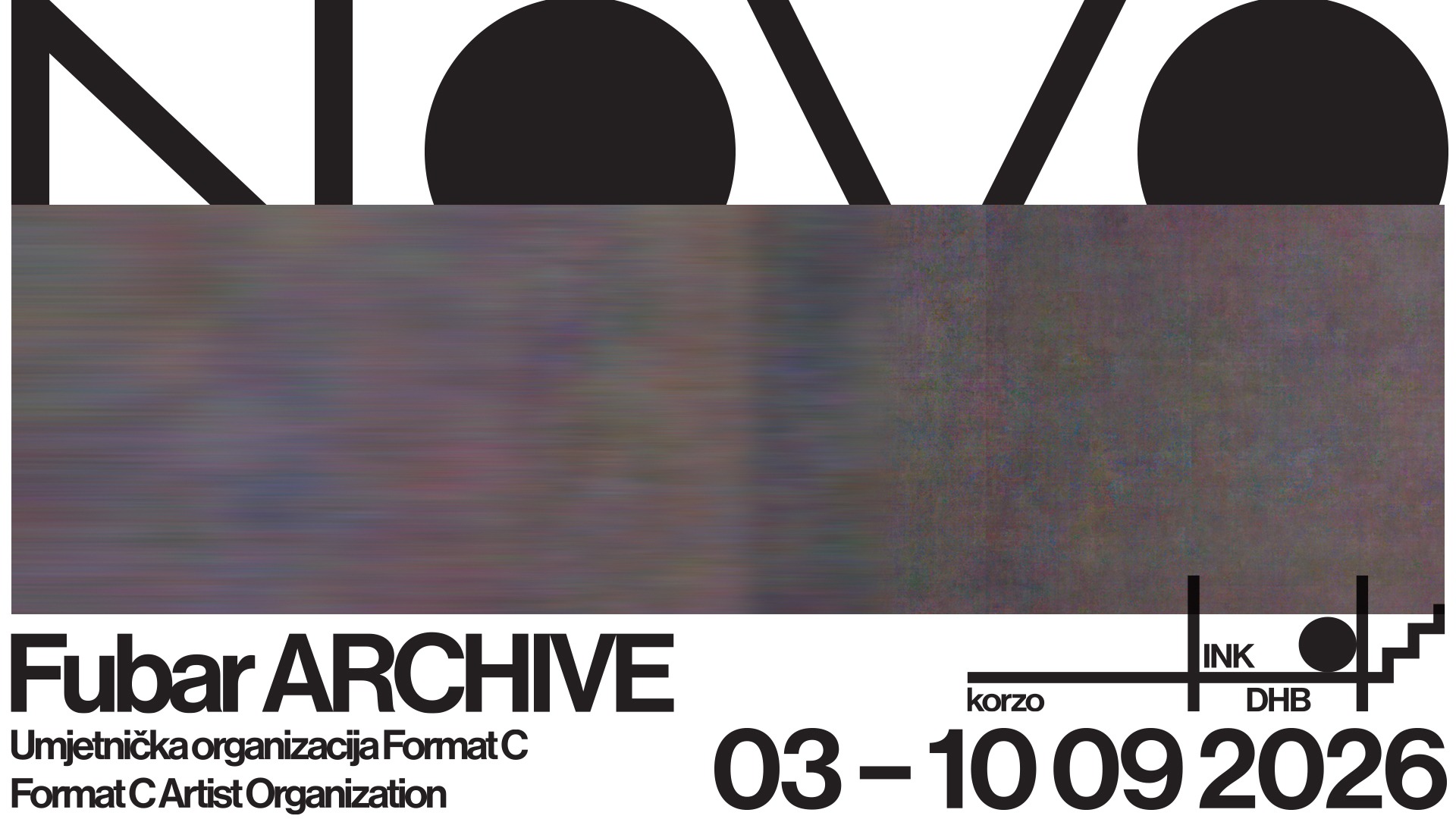
From its founding in 2015 through its tenth edition in 2024, the Fubar festival (/ˈfuːbar/) has brought together hundreds of original productions and more than a thousand artists working in the field of glitch art. In 2025, Fubar evolves into a hybrid community platform, while in 2026 it continues as the first biennial dedicated to glitch and variable art.
It is through this process, inspired by the many contributions and ongoing support of numerous glitch art practitioners, that the Fubar Archive has also taken shape: an interactive data and multimedia repository containing more than 1,500 recent artworks, enabling audiences to explore an entire decade of experimental digital art from around the world. The open Fubar Archive also enables the creation of curated collections for research and/or exhibition purposes, while offering a perspective on the sustainable preservation of digital art through open protocols and free and open-source software.
At Gallery Novo, we present the first variable exhibition display based on the Fubar Archive. It programmatically and pseudo-randomly presents visual artworks from the archive—digital images and videos that use the glitch as inspiration, motif, or method.
Glitch art offers an interdisciplinary way of looking at the world, enabling a closer examination of contemporary phenomena such as international networks, electronic circuits, digital compression, and the ways in which we shape them. A glitch within an artwork can expose the internal structure of a digital file, the politics of its ecosystem, the ethics through which it is produced, and the ways in which it is distributed.
Our attention thus brings us to the final component of glitch art: an understanding of today’s multimedia landscape as a commons—one that remains vulnerable to censorship, manipulation, and instrumentalization.
Disabled access provided

