

Unexhibited works from the Antun Motika Legacy, Art Collection of the City of Pula, Part 2 - From a single folder... Stylized bestiary, portraits and figures
Disabled access provided

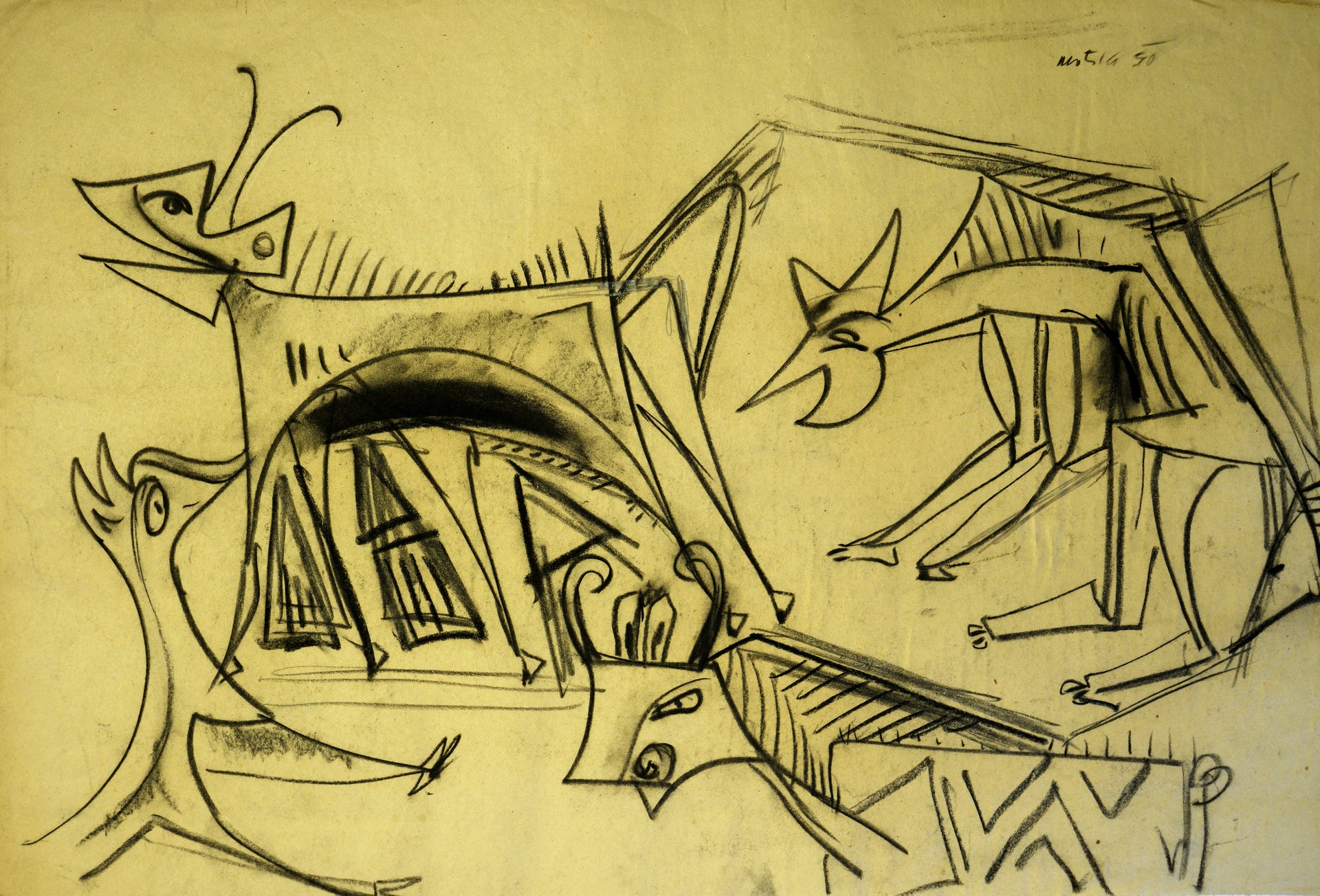
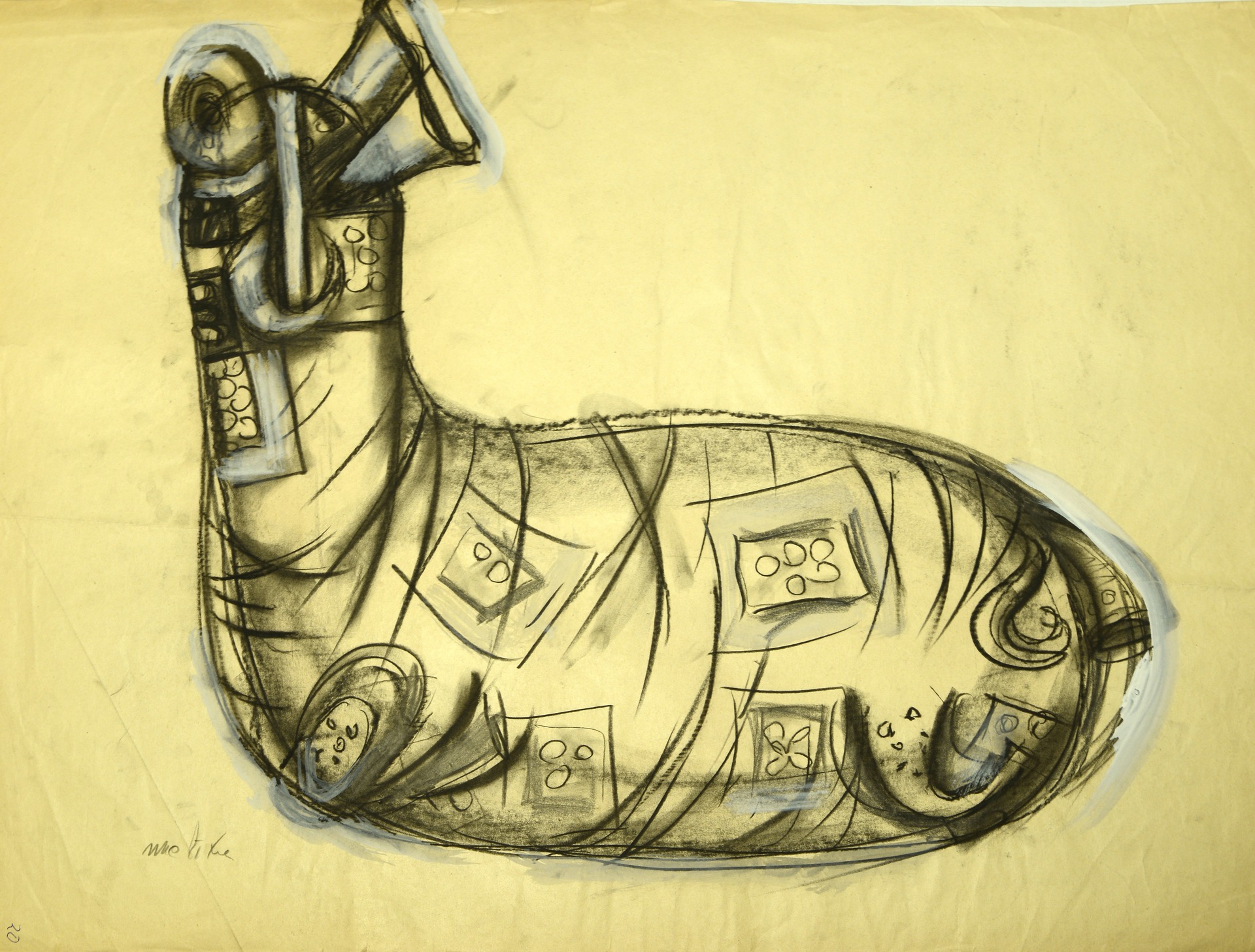
The vast legacy of Antun Motika includes a number of works that have never before seen the light of day—which is hardly surprising, given that they were not created as showcase pieces. They consist primarily of drawings—specifically, sketches for sculptures and glass objects—making them a particularly valuable part of the artist's legacy; they offer a rare glimpse into the creative process, the thought patterns, and the intimate atmosphere of the artist's studio. In this series of previously unexhibited works from Antun Motika’s legacy, we present twenty stylized drawings. Drawing inspiration from early 20th-century avant-garde movements, these works explore the human figure, the portrait, and animal motifs, abstracting them through the interplay of charcoal on paper.
Antun Motika (Pula, 1902 – Zagreb, 1992) was one of the most important and distinctive Croatian painters of the 20th century. After graduating from the Academy of Fine Arts in Zagreb in 1926, his style was decisively shaped by a stay in Paris (1930–1931); there, influenced by Post-Impressionism, he developed a recognizable lyrical intimism, a luminous use of color, and a virtuoso play of light. He refined this style while teaching in Mostar, painting interiors, nudes, and sun-drenched landscapes. Upon returning to Zagreb in 1940, he embarked on a radical and reclusive avant-garde phase, tirelessly experimenting outside traditional boundaries by creating Plexiglas sculptures, collages, drawings on glass, and unique works made with soot on paper (*dimnice*). Having exhibited twice at the Venice Biennale, he left an indelible mark on Croatian modern art, and his rich body of work is preserved today in his hometown of Pula.
