

THE FORGOTTEN MASSACRE - Vergarolla and its hero, Dr. Geppino Micheletti
It is 1946,
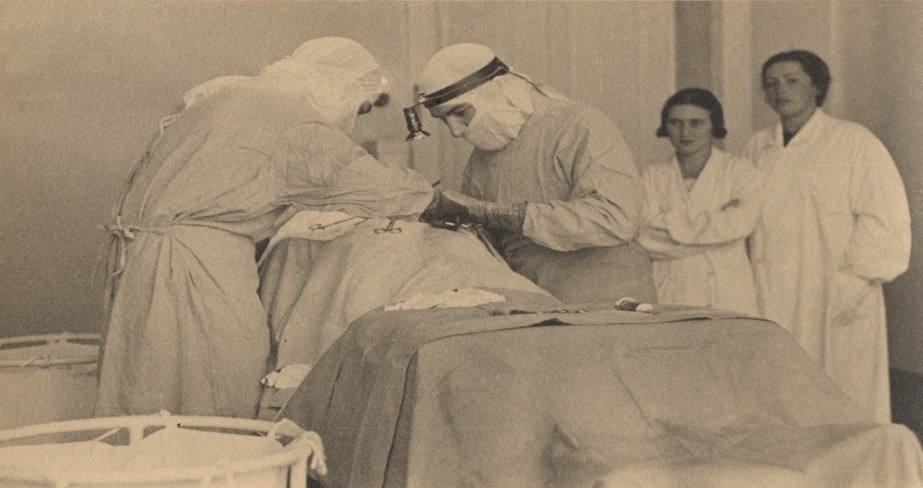
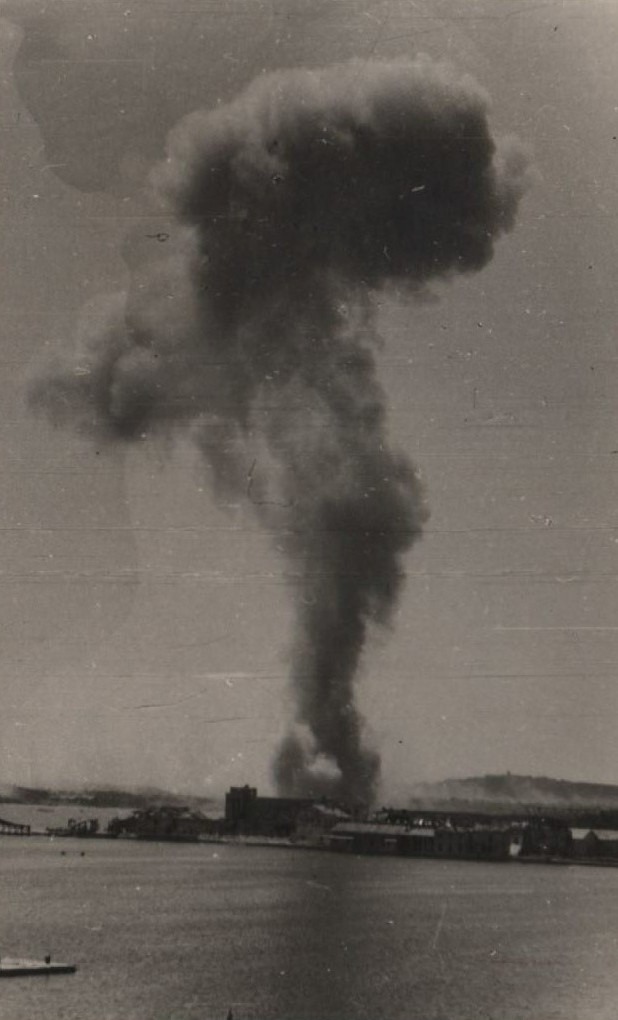
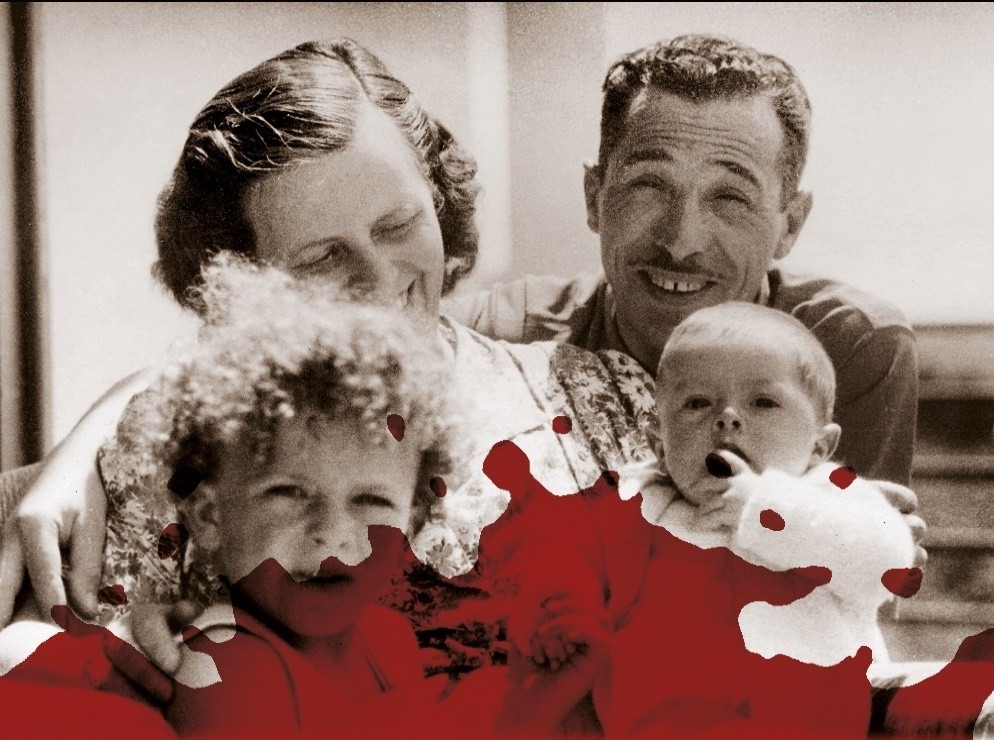
the war is over but not yet concluded, and for Venezia Giulia, the present means foreign occupation: Istria has effectively gone almost entirely to Tito’s Yugoslavia; Trieste and Gorizia—while not lost—are under Anglo-American military administration; and Pola, too, remains an enclave under British military rule. It is August 18th, and a huge crowd has gathered on Vergarolla beach, just outside Pola, to watch the competitions marking the sixtieth anniversary of the Pietas Julia nautical sports club. On the shore, stacked at the edge of the pine grove, lies a pile of mines. Suddenly, just after 2:00 PM, everything explodes; bodies are torn to shreds, and human flesh becomes a macabre, gruesome feast for the seagulls. There are over a hundred dead and countless wounded—tons of mangled human flesh arriving at Pola’s "Santorio Santorio" Hospital, where Geppino Micheletti—acting as Chief Surgeon in the absence of the regular head, Professor Mario Carravetta—operates for hours on end. All day long. And he starts again the next day. He does not stop even when told that his two young sons—Carletto, nine, and Renzo, only four—are among the dead. Micheletti does not crumble under the grief; he knows other lives are in his hands. All the authorities of Pola rush to the "Santorio" Hospital. It is a tragedy for the city, comparable to the first bombing raid on January 9, 1944. Radio Venezia Giulia would state: "The mines could not have exploded through spontaneous combustion or on their own. One or more detonators had to be applied." A criminal act, an attack, and a massacre. And then: "Who did it?" "Who conceived the monstrous idea of an attack on the Italian population of Pula?" "A military court of inquiry was established to investigate the causes of the explosion that occurred on August 18 at Vergarolla. The court concluded that the explosion could not have been accidental but was deliberately caused by one or more unidentified individuals. The police are now handling the matter. Investigations are ongoing." This statement was issued on September 10, 1946, by the Headquarters of the 13th Corps—the British military command then governing Pula—pending a peace treaty to determine the fate of the city, which at that time was still part of Italy. Two days later, a period of city-wide mourning was declared for the victims, and funeral rites were conducted by Bishop Raffaele Radossi. Only sixty-five bodies were placed in coffins; among them was the mangled little body of Carletto, while Renzo’s coffin contained nothing but a shoe and his toys.
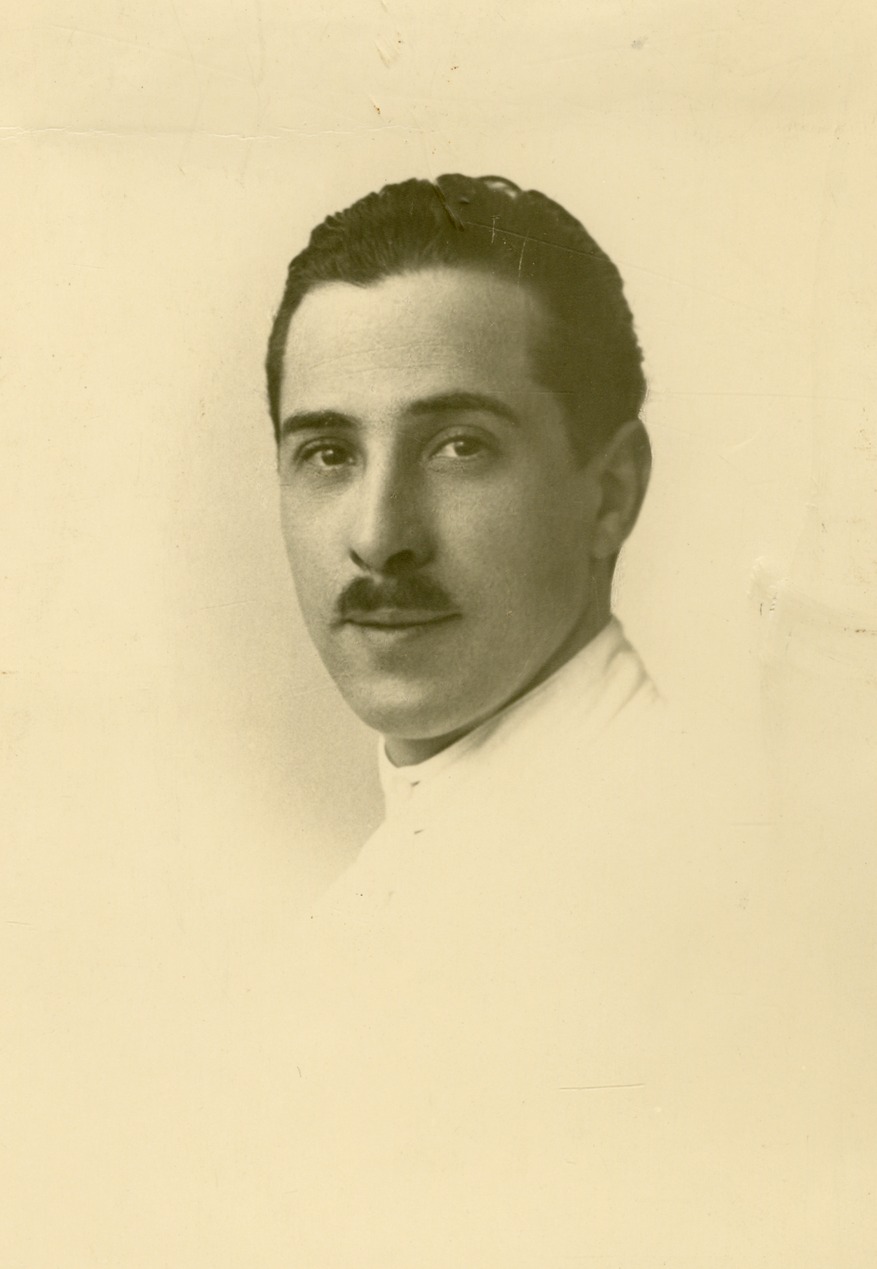
Geppino Micheletti (born Michelstaedter) was born in Trieste on July 18, 1905. He earned his medical degree in 1929 and subsequently specialized in surgery during the 1937–1938 academic year. After the war, he also obtained a specialization in orthopedics and traumatology. Starting in 1935, he served as an assistant surgeon at the Santorio Hospital in Pola, continuing his surgical work there until he was called up for military service in 1941. During his military service in the Balkans, he operated on soldiers wounded in combat; he frequently set fractures while keeping his hands on the patient, thereby exposing them to continuous X-ray radiation. This caused dermatitis that eventually led to the amputation of several of his fingers. After his discharge on June 30, 1945, he returned to duty at the Pola hospital and was on the front lines of the relief efforts following the Vergarolla massacre. Commissioned by the Red Cross, he served as the medical officer in charge of the exiles from Pola and was the last doctor to leave the city in 1947, following its cession to Yugoslavia. In the postwar period, he became the head of surgery at the hospital in Narni, where he passed away in 1961.
