

BODY. NORM. RESISTANCE.
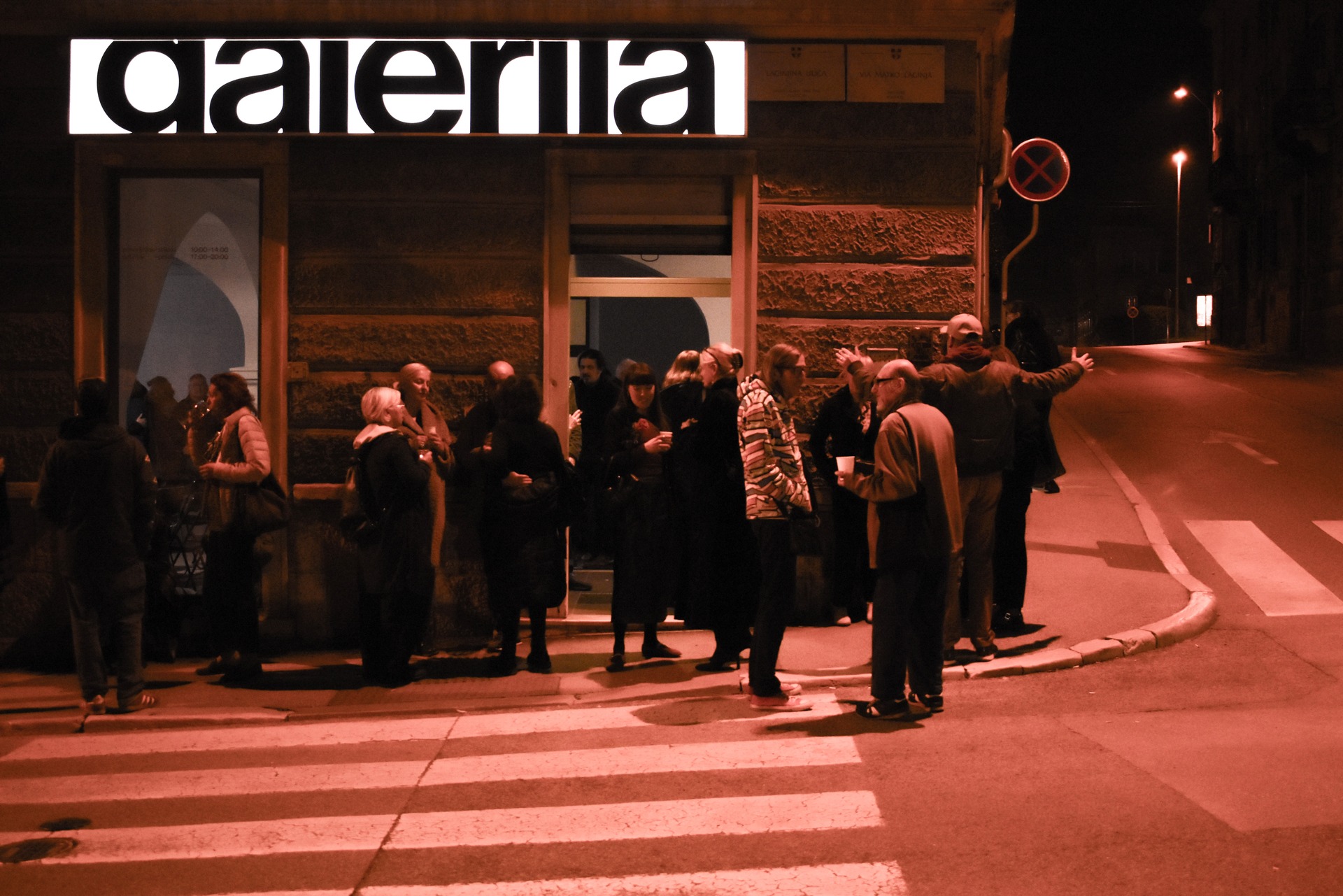
Before it speaks, the body has already been read. Gendered. Dressed. Made desirable. Classified. Nationalized. Sexualized. Remembered. Corrected. Photographed. Financed – or not. Given permission – or denied it.
The body enters the world surrounded by instructions. It moves almost constantly within a field of interpretation. Repeated expectations tied to gender, desirability, social acceptance, nationality, or class gradually become inscribed into habits of self-presentation. The body learns how much space it is allowed to occupy, which gestures are considered appropriate, what makes it legible, and when expression becomes excessive. It also learns to anticipate the other person's gaze before that gaze reaches it. Social interpretation, over time, enters into the way the body inhabits itself.
The works of Ines Borovac and Karlo Štefanek inhabit this unstable space between what the body has inherited and what it can still do with that inheritance. Their practices proceed from already existing languages through which the body is recognized, evaluated, and classified. The norm persists because it is repeated, and within that repetition the possibility of shifting it opens up. A familiar gesture can be minimally altered. A role can be taken on in a way that disrupts the distribution of authority. A symbol can remain visible and yet lose the certainty of the meaning it is supposed to secure.
Disabled access provided

